Unapproved Plots in India: Legal Risks Buyers Often Ignore
Unapproved plots in India carry serious legal risks in 2026. Learn the hidden dangers, common mistakes buyers ignore, and how to protect your land investment.
Table of Contents
Buying a plot at a price that looks unbelievably attractive can feel like a once-in-a-lifetime opportunity. Many buyers in India – especially first-time investors – are drawn to unapproved plots because they promise quick ownership at lower costs.
But in 2026, as regulations tighten and digital records become stricter, the risks hidden behind such deals are becoming harder to ignore.
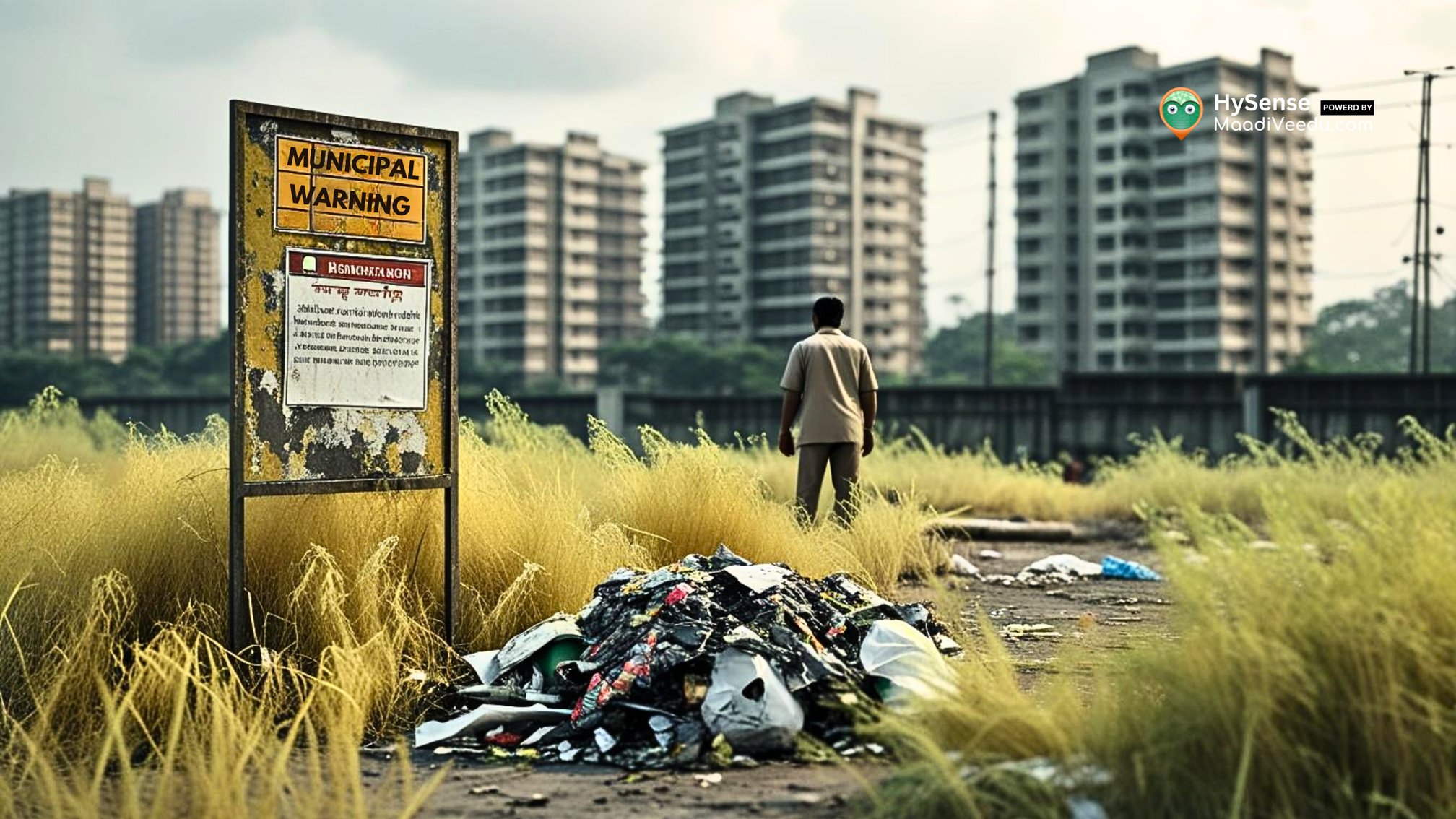
What many buyers don’t realize is that unapproved plots can turn a dream investment into years of legal stress. From denied building permissions to resale roadblocks, the consequences often surface much later, when reversing a decision is no longer possible.
This guide explains why unapproved plots are risky, the legal pitfalls buyers commonly overlook, and how to protect yourself before committing your money.
Always review property listings carefully to see whether plot approval details are clearly mentioned.
Background: Why Unapproved Plots Are Still Being Sold
Despite stronger regulations, unapproved plots continue to circulate in fast-growing outskirts and semi-urban areas. Rapid urban expansion, infrastructure announcements, and demand for affordable land have created gaps that unscrupulous sellers exploit.
In many cases, buyers assume approvals can be obtained later. However, in 2026, authorities are increasingly strict about land use, zoning, and planning compliance – making post-purchase approvals uncertain or even impossible.
What Is an Unapproved Plot?
An unapproved plot is a piece of land that has not received official approval from the local planning authority. This may include:
- Layouts without sanctioned plans
- Agricultural land sold for residential use without conversion
- Plots that violate zoning or road access norms
While ownership papers may appear valid, lack of planning approval creates serious legal and practical issues.
Legal Risks Buyers Often Ignore
1. No Building Permission
Local bodies can deny permission to build on unapproved plots. Even if construction begins, authorities may issue stop-work notices or demolition orders.
2. Loan Rejection
Most banks and financial institutions refuse home loans for unapproved plots, forcing buyers to rely on cash – an added financial risk.
3. Registration Doesn’t Mean Approval
Many buyers assume that registration guarantees legality. Registration only confirms a transaction, not planning approval. This misconception leads to major disputes later.
4. Limited Resale Options
Reselling an unapproved plot is difficult. Buyers demand approvals, and without them, property value and liquidity drop sharply.
5. Risk of Government Acquisition
Plots marked for public use, road expansion, or environmental protection may face acquisition without adequate compensation.
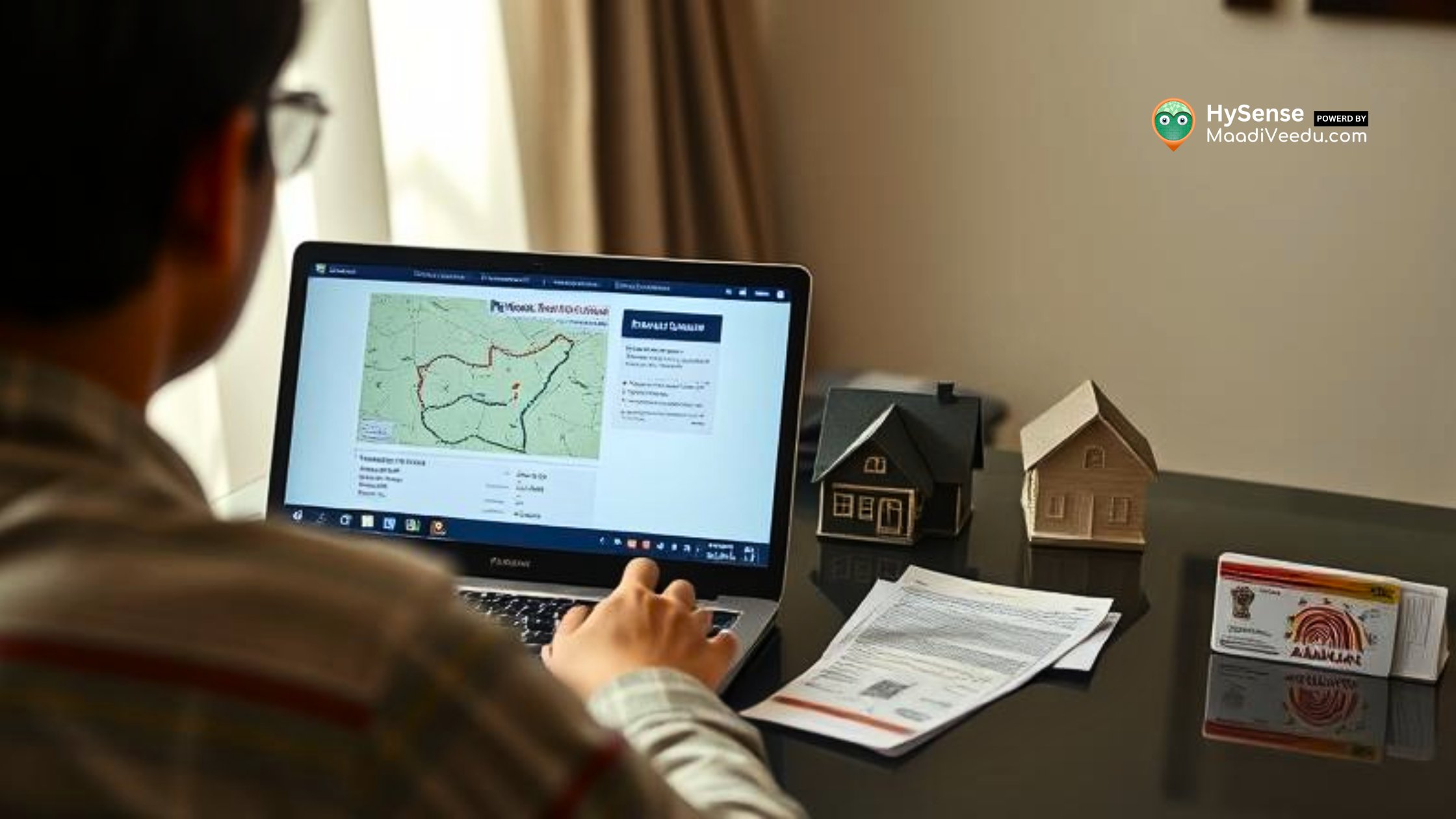
Before buying, checking land status using helpful online tools can help identify approval gaps early.
Challenges Buyers Face and Practical Solutions
Challenge: Verifying Authenticity
Documents may look genuine but still lack planning clearance.
Solution: Cross-verify layout approvals, land use classification, and access roads with official records.
Challenge: Seller Assurances
Verbal promises of “approval soon” are common.
Solution: Proceed only with written proof of approval. Promises without documentation carry no legal weight.
Challenge: Future Regularization Myths
Buyers often rely on future regularization schemes.
Solution: Treat such schemes as uncertain. Policies change, and eligibility is never guaranteed.
Using useful digital tools to compare listings and approval status can reduce these risks significantly.
Practical Tips Before You Buy a Plot
- Confirm layout approval from the local planning authority
- Verify land use (residential vs agricultural)
- Check road access and civic amenity provisions
- Avoid cash-only deals
- Consult a legal expert for document verification
A cautious approach upfront can save years of trouble later.
Read also : Don’t Get Cheated! Check These 5 Land Documents Before You Buy
Conclusion
In 2026, buying an unapproved plot is no longer just a “calculated risk” – it can be a long-term liability. While the initial cost may look appealing, hidden legal issues often outweigh short-term savings.
Understanding approvals, verifying documents, and leveraging digital verification platforms can help buyers make informed decisions. When it comes to land investment, clarity and compliance matter far more than discounts.
Before you commit your hard-earned money, take time to learn, verify, and decide wisely.
For more clear, practical property guidance written for everyday buyers, visit blog.maadiveedu.com.
If you are looking to explore verified property listings with better clarity, check MaadiVeedu.com — where informed decisions begin.
Frequently Asked Questions
1.Are unapproved plots illegal to buy in India?
Buying an unapproved plot is not always illegal, but it carries significant legal and financial risks. Construction, loans, and resale can become problematic. Buyers should verify approval status using area resources before proceeding.
2.Can an unapproved plot be approved later?
In some cases, approvals may be possible, but there is no guarantee. Approval depends on zoning rules, land use, road access, and current regulations. In 2026, authorities are stricter, making post-purchase approvals uncertain.
3.Can I build a house on an unapproved plot?
Most local bodies do not grant building permission for unapproved plots. If construction is done without approval, it may lead to penalties, stop-work notices, or even demolition orders.
4.Do banks give loans for unapproved plots?
Banks and financial institutions usually refuse loans for unapproved plots. Buyers often have to rely on cash payments, which increases financial risk and limits future options.
5.How can I check whether a plot is approved or not?
You should verify layout approval with the local planning authority, confirm land use classification, and check access roads through official records or trusted digital verification platforms.