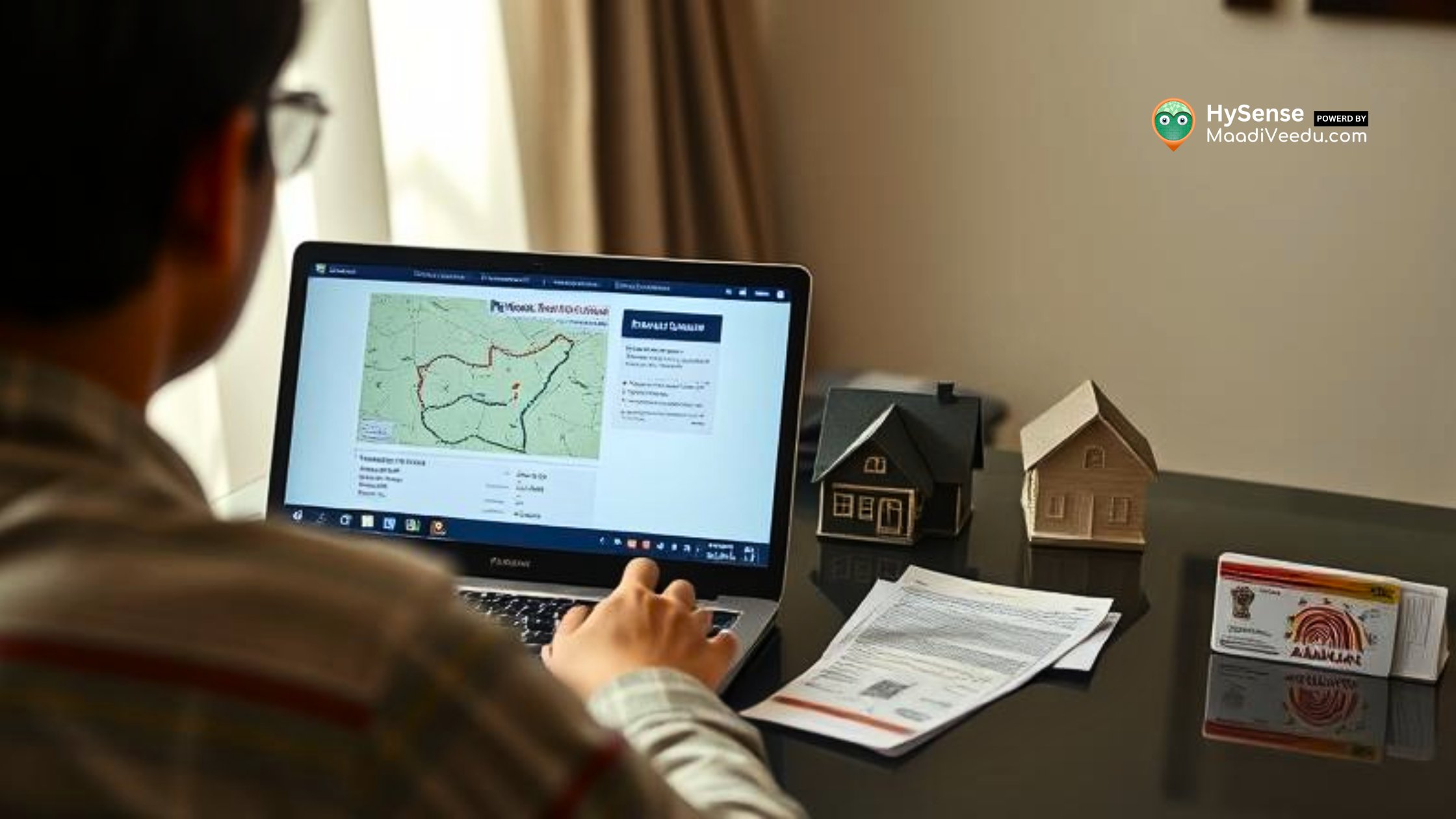
7 Common Property Document Mistakes to Avoid When Buying Real Estate
Avoid costly mistakes when buying property. Learn 7 common property document errors and simple ways to verify ownership, taxes, and legal compliance.
Table of Contents
Buying a property is one of the most important financial decisions in life. Yet, many buyers face legal or financial troubles later because of simple mistakes in checking property documents. Did you know that over 60% of property disputes in India arise from preventable documentation errors?
In this blog, we will explore the most common mistakes people make when checking property documents and provide simple, actionable solutions to prevent them. By the end, you’ll understand how to safeguard your investment and avoid costly disputes.
Check out verified property options with clear ownership and real pricing to make smarter buying decisions.
Mistake 1: Not Verifying the Title Deed – The Foundation of Ownership
The title deed proves ownership of the property and confirms the seller’s legal right to sell. Ignoring this can result in ownership disputes or legal complications.
Why Title Deed Verification Matters
- Confirms the seller has the right to transfer ownership.
- Avoids disputes with previous owners or multiple claimants.
- Ensures inherited properties have valid succession certificates and family consent.
How to Verify the Title Deed
- Check Ownership Chain: Review all previous transfers for at least 30 years.
- Confirm Seller Details: Match names exactly with government IDs.
- Investigate Legal Disputes: Check local courts and revenue offices for pending cases.
- Validate Inheritance Rights: Ensure sellers of inherited properties have the authority to sell.
Mistake 2: Ignoring the Encumbrance Certificate – Hidden Financial Liabilities
An encumbrance certificate (EC) ensures the property is free from loans, mortgages, or financial claims. Skipping this step may leave buyers liable for previous debts.
How to Check the EC
- Extended Coverage: Obtain ECs covering 15–30 years.
- Financial Clearance: Confirm no outstanding mortgages or loans exist.
- Cross-Verify with Banks: Check loan clearance and no-objection certificates.
- Use Recent Certificates: Get the latest EC within 30 days of the transaction.
Mistake 3: Not Checking Zoning Laws and Land Use – Legal Trouble
Zoning laws dictate how land can be used. Ignoring these rules can lead to construction bans, fines, or even demolition.
Zoning Verification Steps
- Check Land Use: Confirm the property’s zoning aligns with your plans – residential, commercial, or mixed-use.
- Review Development Restrictions: Understand height limits, setbacks, and FAR rules.
- Verify Conversion Certificates: Agricultural land must be legally converted for non-agricultural use.
- Investigate Future Plans: Research upcoming zoning changes that could affect property value.
Mistake 4: Skipping Seller Identity Verification – Prevent Fraud
Property fraud, especially seller impersonation, is increasing. Buyers must ensure the seller has the legal authority to sell.
How to Verify the Seller
- Multi-Document Check: Cross-verify Aadhaar, PAN, passport, and voter ID.
- Local Authority Verification: Confirm ownership at municipal and revenue offices.
- Scrutinize Power of Attorney: Check authenticity, registration, and scope of authority.
- Family Confirmation: For inherited properties, consult family members to confirm seller rights.
Mistake 5: Not Reviewing the Sale Agreement – Hidden Terms
The sale agreement outlines the terms of the transaction. Rushing through it can lead to unexpected costs, delays, or unfair clauses.
How to Review Sale Agreements
- Payment Terms: Review installment schedules, penalties, and buyer protection clauses.
- Possession Dates: Ensure clear timelines for possession and transfer.
- Hidden Costs: Identify maintenance fees, parking charges, and utility costs.
- Default & Termination Clauses: Confirm penalties and termination conditions are balanced.
Mistake 6: Ignoring Property Tax Receipts – Unexpected Liabilities
Outstanding property taxes can become the buyer’s responsibility after purchase.
Steps to Verify Property Taxes
- Payment History: Check receipts for the past 5 years.
- Tax Clearance Certificate: Obtain official confirmation from municipal authorities.
- Check Pending Dues: Verify penalties, interest, or pending assessments.
- Plan for Future Taxes: Understand post-purchase obligations.
Read also: Tax Benefits of Farmland in Tamil Nadu | Exemption, 15% Capital Gains & 7% Loan Subsidy
Mistake 7: Overlooking Property Disputes – Hidden Legal Risks
Disputes over boundaries, ownership, or construction violations often surface after the purchase.
How to Prevent Dispute Issues
- Court Record Search: Check civil, criminal, and revenue court databases.
- Boundary Verification: Conduct professional surveys to detect encroachments.
- Construction Compliance: Verify permits, occupancy certificates, and building codes.
- Neighbor Consultation: Speak with neighbors for potential disputes.
- Family Dispute Check: Investigate inheritance or family-related conflicts.
Systematic Verification Best Practices
- Hire Legal Experts: Property lawyers can identify subtle risks in documents.
- Cross-Verify Sources: Check municipal, court, and government records.
- Leverage Technology: Use online portals and digital records for official data.
- Inspect Physically: Visit the property to confirm dimensions, boundaries, and characteristics.
- Financial Protection: Consider title insurance, escrow services, and indemnity clauses.
Conclusion
Buying a property is a long-term investment. Proper verification of documents is essential to avoid legal issues, hidden costs, and financial losses. By carefully checking title deeds, encumbrance certificates, zoning laws, seller identity, sale agreements, taxes, and disputes, you can safeguard your investment and ensure peace of mind.
Explore detailed property guides at blog.maadiveedu.com and find verified listings on MaadiVeedu.com to make your property purchase safe, smart, and stress-free.
FAQs – Property Document Verification Guide
1: How long should I check the property’s history?
Review title deed and encumbrance certificate for at least 15–30 years to ensure clear ownership and no hidden liabilities.
2: Can I rely on the seller’s word for taxes and disputes?
No. Always verify with municipal authorities, court records, and banks. Seller statements alone are not enough.
3: Is title insurance available in India?
While not universal, some insurers offer title insurance to protect against undiscovered defects in property ownership.
4: What happens if the property has a pending legal dispute?
Legal disputes can delay possession, affect property value, and sometimes result in the property being unusable until resolved.
5: Do I need to check zoning laws for inherited properties?
Yes. Even inherited properties must comply with current zoning and land-use regulations.
6: How can I protect my funds during purchase?
Use escrow services to hold funds until verification of all documents is complete.